Liisa Ladouceur’s created this fun little video to promote her excellent recent book ‘Encyclopedia Gothica’ (which even includes an entry on yours truly!)…
Liisa Ladouceur’s created this fun little video to promote her excellent recent book ‘Encyclopedia Gothica’ (which even includes an entry on yours truly!)…
The new edition of Headpress, the UK’s foremost journal of the esoteric and bizarre, has just been published. The latest volume is an impressive Grand Guignol special, with the sort of insightful journalism to be expected from a publication that’s earnt its status as a cornerstone of the UK’s literary underground. I’m proud to say that it also features an interview I conducted with the esteemed maverick publisher Adam Parfrey, the gentleman responsible – among countless other literary endeavours – for publishing Lords of Chaos and the work of Anton LaVey.
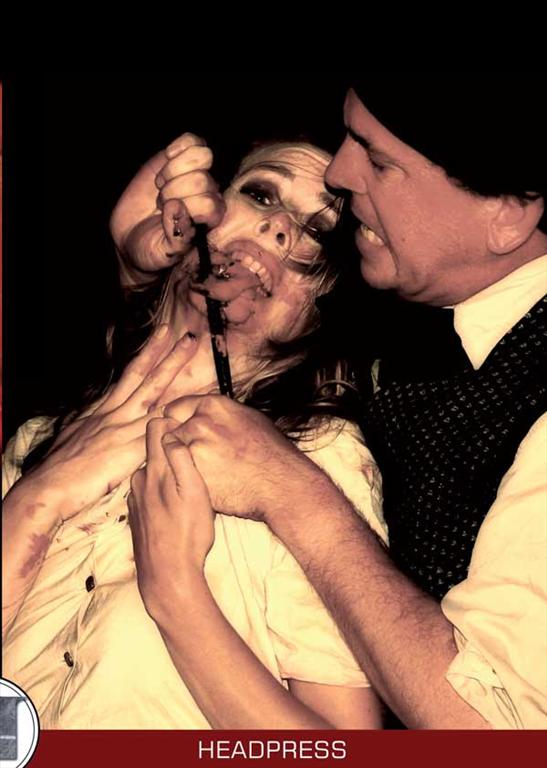
For details on how to buy Headpress and other publications by the fine folk at Headpress books: http://www.headpress.com/ShowProduct.aspx?ID=115 While there is a substantial online sampler of the journal itself here: http://www.worldheadpress.com/ezine7/
Researching my three-part piece on Satanic cults on film for Brutal as Hell has led me to dust off a few of my old books on devilment. My own contribution to the genre, Lucifer Rising, came out way back in 1999, and there’s been considerable water down the Styx since then. I was struck when I started researching the book in the early 90s how few books on the subject there were – even fewer of any real value. There’s been a steady growth of literature on the topic since, and I’ve picked up most of them over the years. Among this motley paper crew was Gareth J. Medway’s Lure of the Sinister, which attracted many positive reviews when it was published in 2001, though I recall being somewhat underwhelmed. Coincidentally, I was also browsing the Oxford University Press list of forthcoming titles the other night, and came across a book scheduled for release in January of 2013, entitled The Devil’s Party, which caught my eye…
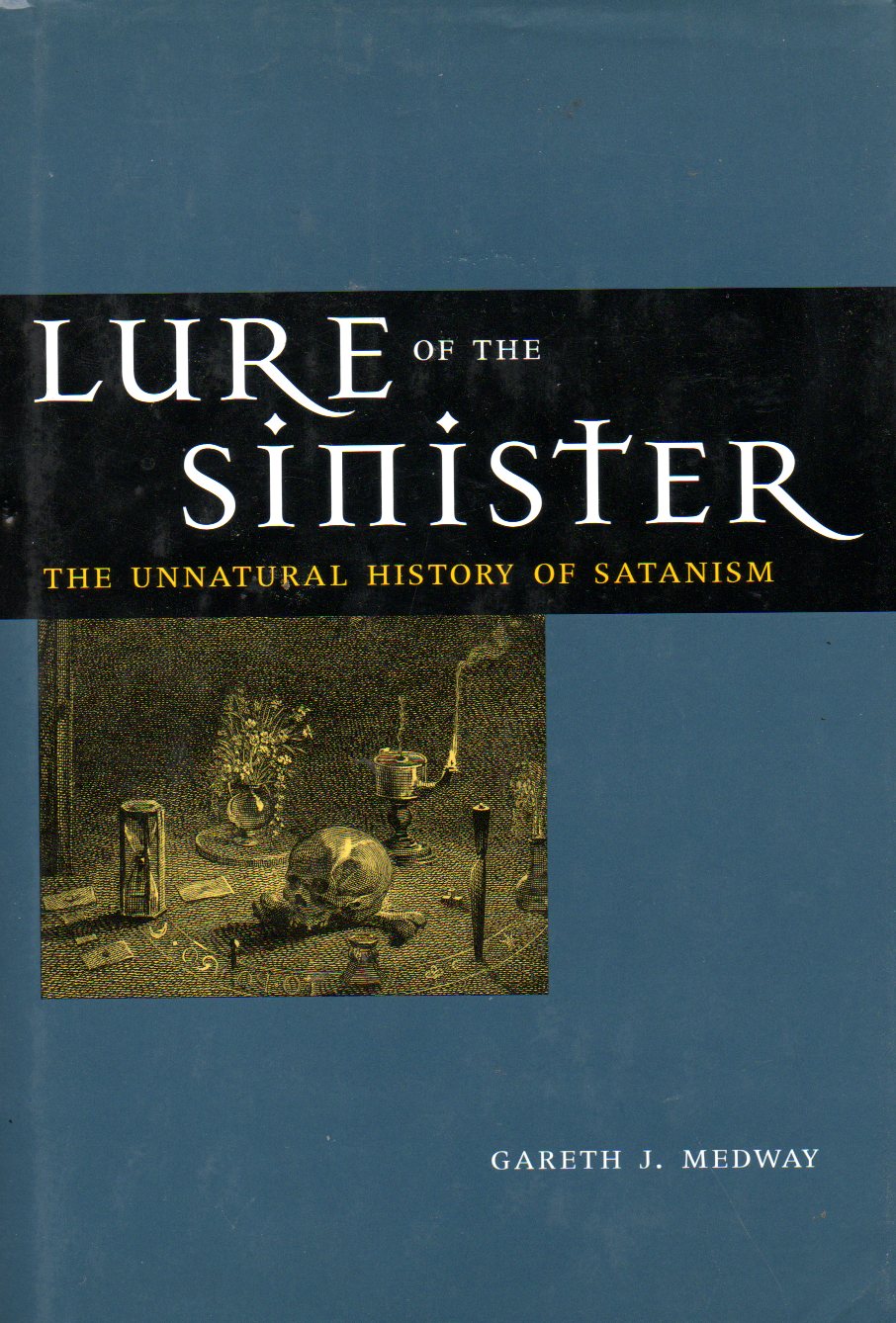
I didn’t think Lure of the Sinister was the classic a number of – largely academic – reviewers did. However, I remembered that Medway was good on the development of Satanic sensationalism in British tabloids, something that would be useful for my Brutal as Hell essays. When I located the volume on my shelves I was also curious as to why I hadn’t taken to it a decade-or-so back. I couldn’t remember the specifics of my irritation, and wondered if it might just have been the case of one writer (namely yours truly) being unconsciously uncharitable to a perceived rival? (‘Surely not!’ I hear you cry.) Meanwhile, the OUP book intrigues me because it seems destined to be something of a landmark tome, in bringing a new level of academic scrutiny to Satanism – introducing newfound intellectual authority to the serious study of devilment – something largely conspicuous by its absence when I wrote Lucifer Rising. But is this a good thing?…
In all fairness, Lure of the Sinister is very much a curate’s egg. The parts that Medway gets right are models of clarity and wit, just as the sections he doesn’t are truly lamentable misfires. Much of the problem, perhaps, lies in the book’s subtitle – ‘The Unnatural History of Satanism’ – because Medway conspicuously fails to deliver in that department. Had he subtitled his work ‘Satanic Conspiracy Theories and Tabloid Sensationalism’ or somesuch, the author would have been on safer ground. For Medway does a good job of showing how generations of amoral media hacks, Christian crackpots and sundry opportunist politicians have been peddling from an almost identical handcart of bullshit for so long, pausing occasionally only to add even more improbable and disgusting details to the bill. What is amazing is not that all of this is garbage, but that people ever took any of it seriously.
Medway skewers this paranoid mythology effectively, but retrospectively disposing of such manifest nonsense is akin to plugging sluggish fish with a sawn-off 10 gauge in a particularly small barrel. Suggesting that absurd fantasies concocted by neurotic Christians and repeated in newspapers like The Sunday Sport (the UK’s answer to The Weekly World News) are lies is one thing. Identifying the nature of authentic contemporary Satanism more of a challenge, and one our author largely decides simply to neglect. ‘There is no need here to add much to the great weight of paper that has been filled with accounts of Anton Szandor LaVey and the Church of Satan’, Medway shrugs, as if coverage of the most significant figure in 20th Century Satanism were somehow barely relevant to an ‘Unnatural History of Satanism’. I know that by no means everybody regards LaVey with the respect and affection I do, but even if you simply wish to denigrate or deride San Francisco’s Black Pope, attempting to wholly sideline his role is surely either ignorance or perversity.
At the risk of sounding partisan here as an honourable Reverend in LaVey’s Church, even if Medway didn’t wish to contribute to ‘the great weight of paper’ on the topic, he might have done well to read a little more of it. In the limited coverage he does give, Medway follows the Church of Satan’s history as given by the Satanic schismatics in the Temple of Set. According to them, they walked out of LaVey’s Church en masse in protest at the sale of priesthoods. A more balanced view suggests that the chief tension concerned LaVey’s avowed atheism – that Satan was simply a symbol – which some members, craving an authentic supernatural entity to worship, couldn’t tolerate, and thus set up their Setian Temple in direct competition. Significantly, perhaps, in his introduction Medway reveals that he is ‘a Pagan and a priest of Themis in the Fellowship of Isis’. This makes our author far more sympathetic to a more traditional occult outfit like the Temple of Set than the cynical, carnivalesque Church of Satan, who’ve long made a point of treating self-styled pagans like our ‘priest of Themis’ with amused disdain.
All of which may seem like a lot of hair-splitting over a book that’s over a decade old: Most likely because largely it is. But if, as the OUP’s The Devil’s Party suggests, Satanism is entering a renaissance of academic interest, perhaps correcting or at least addressing such issues of accuracy has become increasingly important. More likely, picking up Lure of the Sinister again pushed the same buttons it did when I first read it, and I felt moved in this idle moment or two to respond. Interaction between Satanism and the sundry neo-pagan movements in recent decades has seldom run smooth. In the ninth of his ‘Nine Satanic Statements’, LaVey observed that ‘Satan has been the best friend the Church has ever had, as He has kept it in business all these years.’ The same applies to a large extent to the hodge-podge of New Age religions that have sprung up over the past few decades pretending to represent pre-Christian revivals.
They’ve long made liberal use of Satanism as a scarecrow to show what they’re not. ‘People mistake us for dangerous devil-worshippers’, runs the neo-pagan mantra, ‘but in reality we’re just loveable nature lovers’. Anybody who cares to listen has probably got the message decades back. Anybody who doesn’t, will likely condemn you to Hell whatever you say, if it isn’t the Lord’s Prayer. Our Priest of Themis insists that his only prejudice against Satanism is that he doesn’t believe Satan exists. Newsflash Gareth, neither do most Satanists. Which he’d know if he’d actually read the impressive 17 page bibliography at the end of Lure of the Sinister, which includes all four of Anton LaVey’s books. If Medway had really digested the long list of texts he includes then we’d have every right to expect something a little more authoritative, though in all fairness he only guarantees that he has ‘seen’ them, leaving any impressions of erudition down to the reader’s discretion.
Again, if it seems like I’ve been a little harsh and abrasive towards a book which, I must confess has many virtues, then I should probably come clean on the section which above all I found startlingly ignorant. You will probably either agree or wonder why you wasted your time reading the past few paragraphs. In his brief coverage of authentic contemporary Satanism, Medway tells us that there are three varieties. The first are badly damaged drug addicts or psychiatric patients. The second variety are ‘religious Satanists’, such as those belonging to the Church of Satan (how a Satanist who doesn’t believe in Satan can be religious is not explained). The last category, in a term Medway borrows from Christian fanatics, he refers to as ‘dabblers’. They are, he says, by far the most common, before launching into a truly bizarre description of the breed. I hope you (and Mr Medway’s publisher) will excuse me if I quote the paragraph in its entirety.
‘They can be found at hard-rock concerts or hanging around the Slimelight Club on Saturday nights wearing black clothes – black T-shirts from haute couturiers Man at C&A are essential Satanist dress – black lipstick, and occult jewelry bought in Kensington Market. Among other occult practices, they listen to records by Ozzy Osbourne or the Bollock Brothers; watch Motley Crue videos, Hammer Horror films, and The Addams Family; make blasphemous remarks during “Songs of Praise” to upset Granny; walk in Highgate Cemetery during open hours; and recite the Lord’s Prayer backward as a party piece. These Satanists eat jelly babies (gumdrops), dismember Barbie dolls, chop heads off flowers, paint demons on their skateboards, turn crucifixes upside down, start Aleister Crowley’s Magick without Tears and give up after three chapters, torture the neighbours by playing bootlegs of The Damned, and give their girlfriends gold-plated necklaces from Camden Lock with the words “I tore this from the neck of a fresh corpse I disinterred last night darling.”’
As someone who wears a lot of black, loves Hammer horror and is somewhat partial to both Ozzy Osbourne and the Damned, perhaps I should be personally offended. I daresay numerous notably non-Satanic Goths and metal fans would find this faintly annoying, assuming they’re inclined to take a Priest of Themis, last seen exorcising Robin Hood’s grave here in Yorkshire, seriously. More seriously, while this kind of camp, nervous verbal lashing towards the nasty men in black leather jackets might cut it with campus nerds and media hipsters, it won’t wash as serious research. Or will it? ‘Recent years have seen a significant shift in the study of new religious movements,’ promises pre-publicity for The Devil’s Party. ‘In Satanism studies, interest has moved to anthropological and historical work on groups and individuals. Self-declared Satanism, especially as a religion with cultural production and consumption, history, and organization, has largely been neglected by academia… The book will be an invaluable resource for everyone interested in Satanism as a philosophical or religious position of alterity rather than as an imagined other.’ We wait with baited breath…
The second essay on How to Win Friends and Sacrifice People is now live, exploring the axis between Satanism, Golden Age Hollywood and the Lost Generation…
http://www.brutalashell.com/2012/05/satanic-cinema-how-to-win-friends-sacrifice-people-part-2-of-3/
To celebrate this unholiest night of the year, I’m writing a three part feature on ‘How to Win Friends and Sacrifice People’ – a celebration of Satanic cinema – at the excellent horror site Brutal as Hell. Check it out here http://www.brutalashell.com/ where you can also find such diverting delights as a particularly perceptive piece on the top ten celluloid Satans…
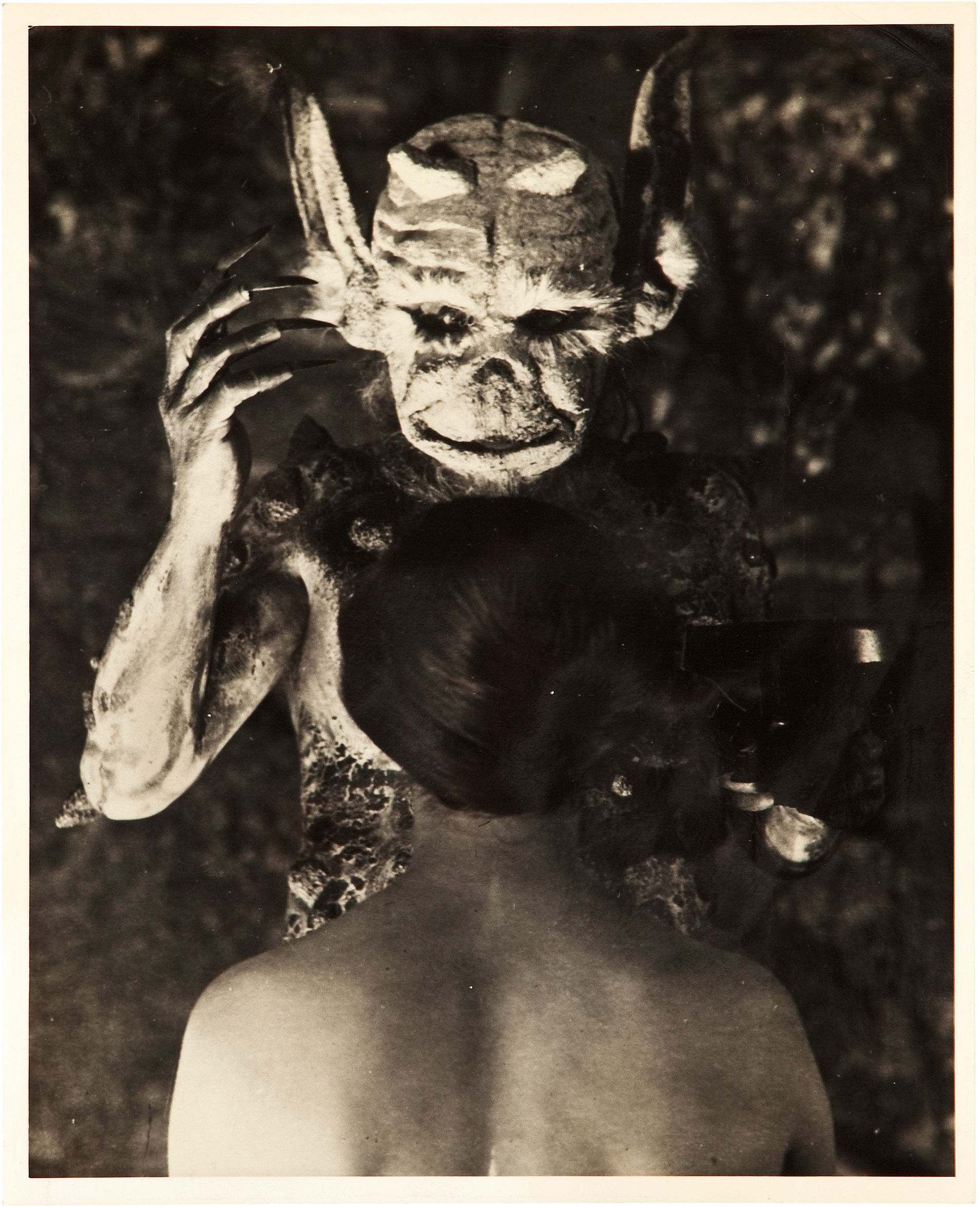
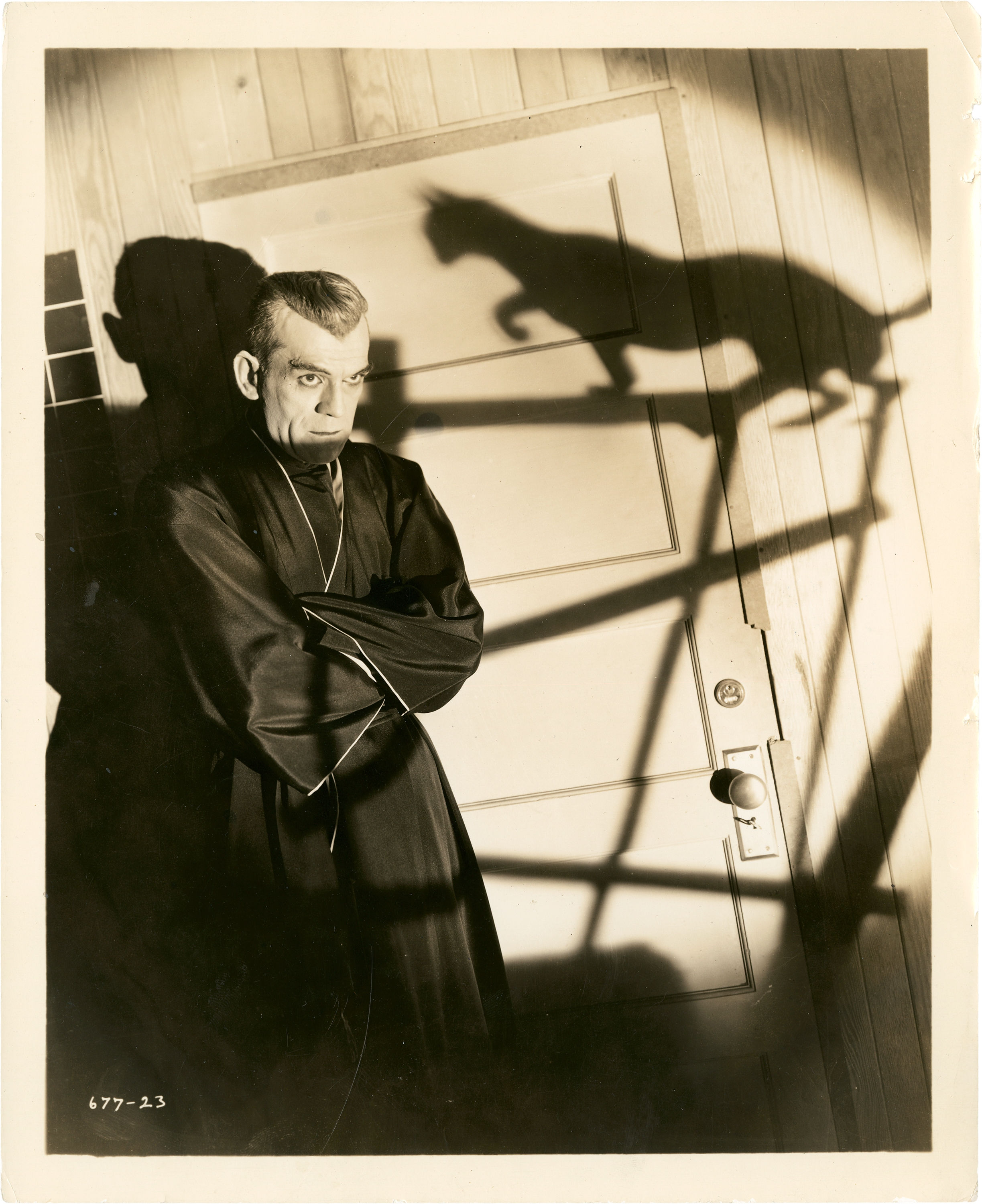
‘I don’t know how long these [vacuous modern horror films] can last. I guess they’ll go on as long as people are stupid. We used to say something in the old pictures. Now they just hold up the monsters or whatever they have and say, “Look how absolutely ridiculous they are”. It’s sad, because it implies ridicule of people who are different and don’t conform. There’s no more sympathy.’ Boris Karloff, 1959.
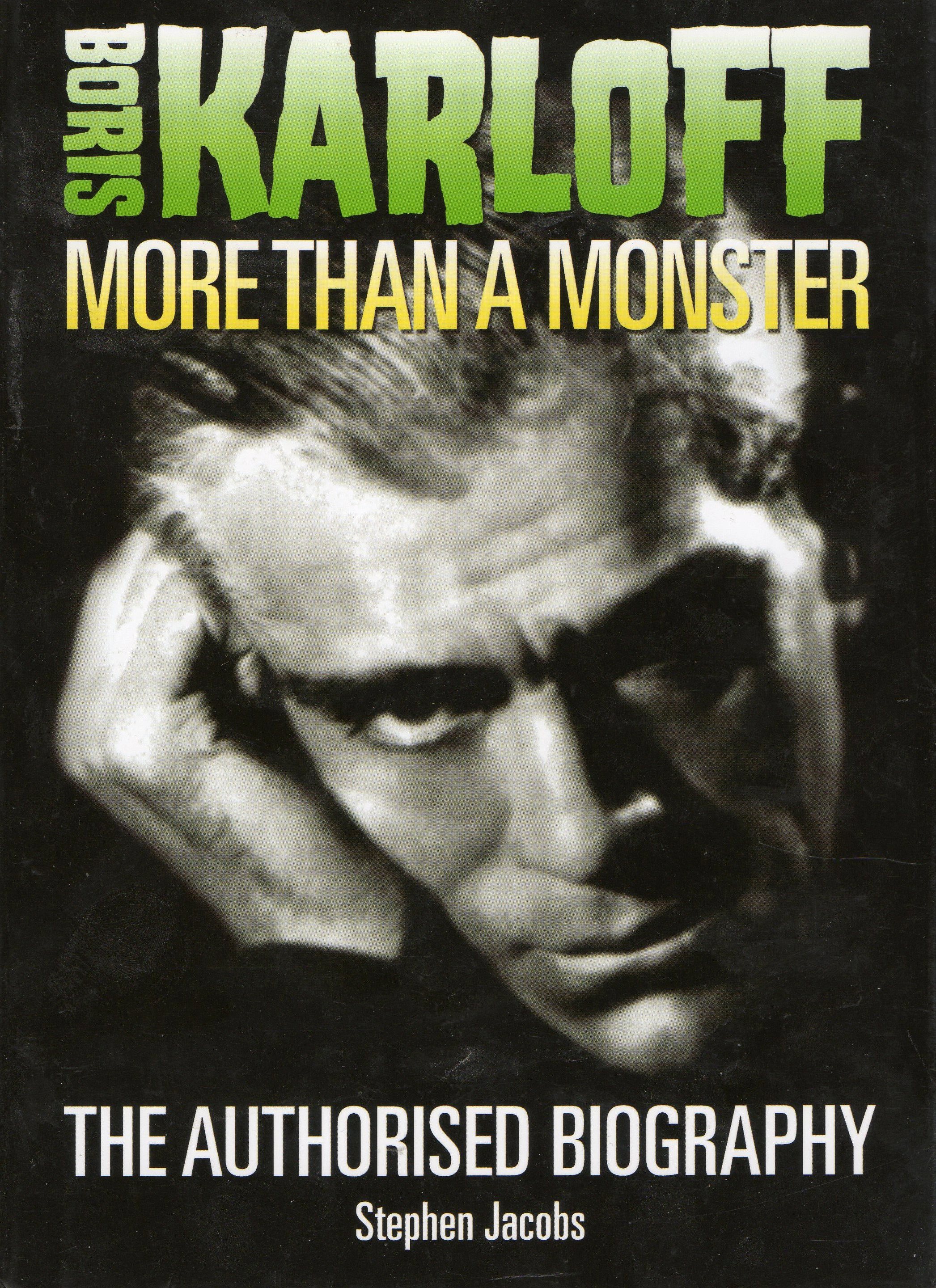
I received the 2011 Boris Karloff biography as a Yuletide gift, and was very happy when it finally reached the top of my ‘to read’ pile recently. Having completed it, I thought a few kindred souls might be interested in my opinion of the book. At well over 500 pages, it’s certainly a monster, but is it, as Stephen Jacobs’ subtitle suggests More than a Monster?… There have been several previous biographies of everybody’s favourite Frankenstein Monster, but Jacobs clearly aims to be definitive, achieving an enthusiastic endorsement from Boris’s daughter Sara Karloff. Yet is it possible to be too ‘definitive’?… By which I mean, in his determination to leave no stone unturned, the author is sometimes in danger of burying the reader in an avalanche of detail.
It is over 80 pages before we see hide or hair of the Monster, which may be an issue for those drawn to the book from the perspective of a horror fan (surely most of its potential readership). This wouldn’t be a problem if Jacobs was adept at turning dry fact into lively narrative, but that isn’t his strong suit. In the hands of a more novelistic scribe, Karloff’s early career, struggling to make a living treading the boards in Canadian backwaters in the early-20th Century might have made for a fascinating window into a world most of us have never even thought about. Jacobs’ strengths lie more in uncovering copious secondary sources on Karloff’s life and career, and while you do occasionally wish the author would offer a little more of his own analysis, it’s difficult to fault the thoroughness of his research, even if he might have done well to prune the detail down just a little for his subject’s early years.
Having said which, when dealing with a subject like Boris – who was famously protective of his private life – thoroughness is a commendable quality in a biographer. So, does our author uncover any skeletons in the Karloff closet? I remember my surprise at discovering that Boris Karloff wasn’t the actor’s real name when I read Peter Underwood’s 1972 biography Karloff as a child. He was known to his family –the Pratts – as Billy, a name he concluded was not conducive to success as an actor. The former Billy Pratt further maintained that he chose his Slavic-sounding stage-name in deference to some Russian connections on his mother’s side, something Stephen Jacobs comprehensively debunks. Rather, the Pratt family had some Indian blood, which some suggest Billy was keen to conceal. Certainly, one thing that really struck me about the photographs of the young Karloff in the impressively illustrated More Than a Monster is how Indian Boris looks, something that I’d never noticed before.
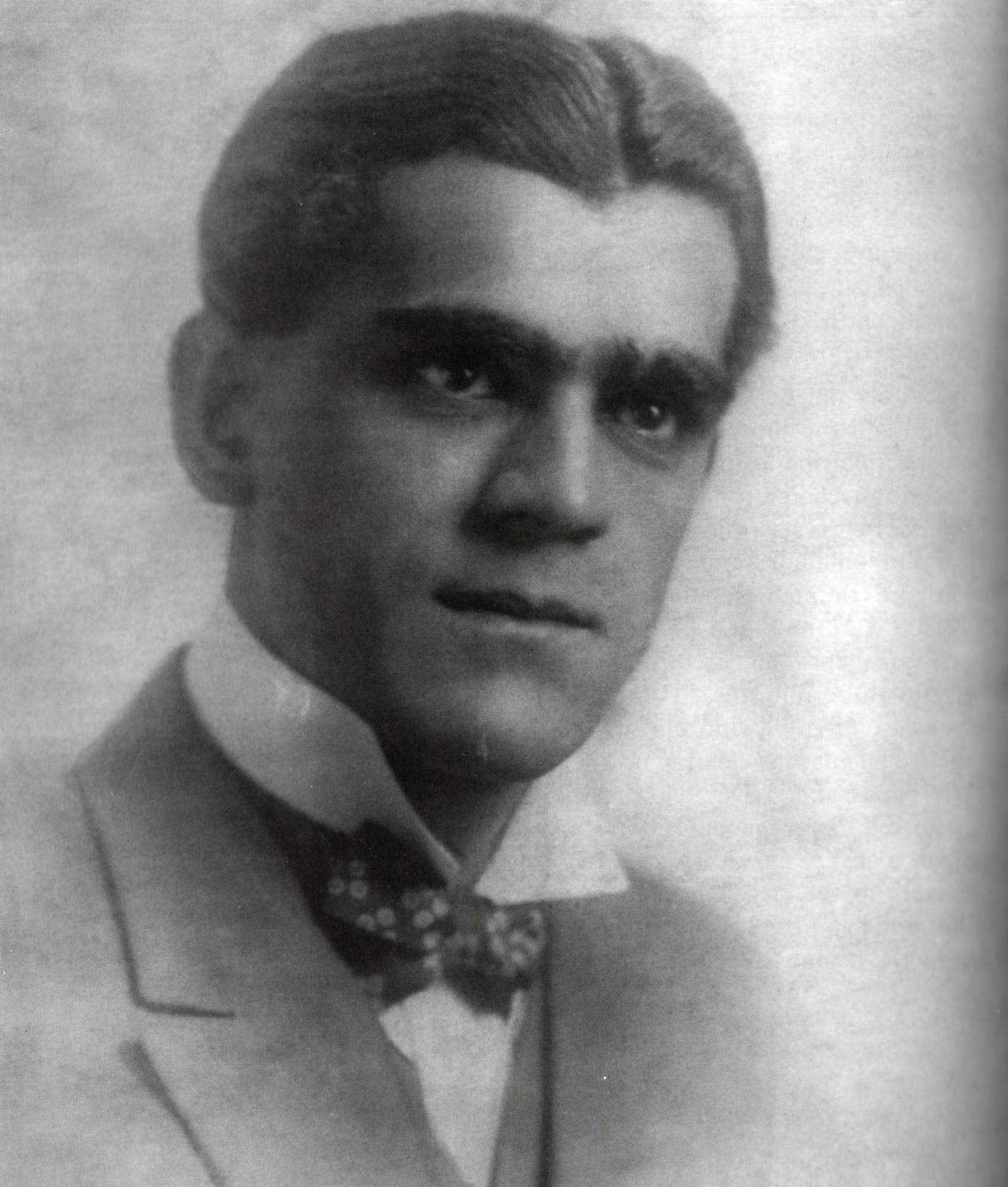
It’s difficult to believe that a man as famously self-effacing and generous of spirit as Boris was racist or embarrassed about his own roots. Though it is likely that he thought that fictional roots that hinted at a past as a White Russian émigré would be more romantic in the era of the Russian Revolution than hailing from a well-to-do civil service background in the twilight years of the British Raj. If anything, it seems like Boris was embarrassed about indulging his passion for acting over following the family tradition in the civil service. Ever the Englishman, even after he became a Hollywood star, Boris remained rather apologetic about his occupation in the company of his older brothers, who had forged distinguished careers in the diplomatic corps. Indeed, the possibility presents itself that Billy Pratt changed his name not to protect his Hollywood career from his family origins, but to protect his family from the disgrace of his successful Hollywood career…
Though Karloff’s original name wasn’t a revelation, and I was aware of his Indian ancestry, the big reveal for me in More than a Monster was Boris as a young Casanova. Perhaps it shouldn’t be so surprising that a humble London lad with the vim and vigour to shrug off heavy family tradition and board a boat across the Atlantic to join the theatre, should also have the romantic talents to sweep a fair few damsels off their feet. However, somehow I’d never seen Boris as a ladies man, yet even Stephen Jacobs has trouble identifying just how many official ‘Mrs Karloffs’ there were, with six as a conservative estimate. It is here, if anywhere, you might find a crack in Karloff’s halo – the slight suggestion that he might on occasion have been less than a perfect gentleman – but it is a slim and speculative chink, in a career characterised by exemplary professionalism, immense talent and truly monolithic levels of human decency.
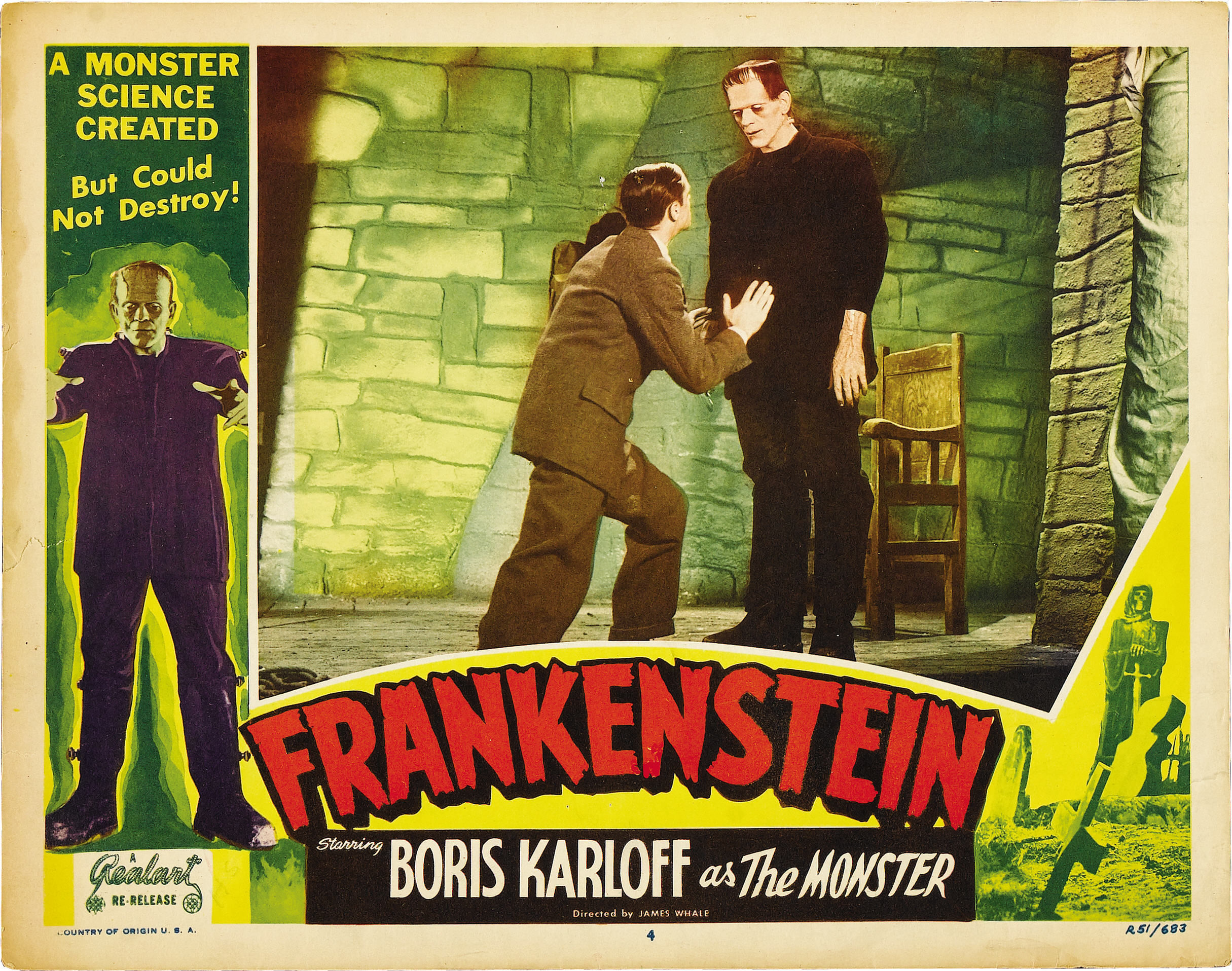
The meat of the book, inevitably, is taken up with Karloff’s career as a Hollywood star in the wake of the success of Frankenstein in 1931, though Jacobs emphasises the importance of his other endeavours. Establishing an English colony in California was a priority for Boris – he was a cricket fiend – and theatrical work, particularly in the hit play Arsenic and Old Lace and the pantomime Peter Pan, were at least as important as his film roles in the actor’s eyes. Karloff was also an influential figure in unionising Hollywood – something which, as a performer who went through some punishing ordeals in pictures like Frankenstein, was close to his heart. But, typically for Boris, it was done with grace and restraint, though the McCarthyist panics of the 50s made any such political activity risky. Karloff poured scorn on those fashionable ‘intellectuals’ who, having once been avowed Communists, upon reforming presumed to lecture others upon revising their position. At the same time, he was mystified and saddened by the way in which many Americans treated every initiative with socialist overtones as the first step on the slippery slope to Stalinist totalitarianism.
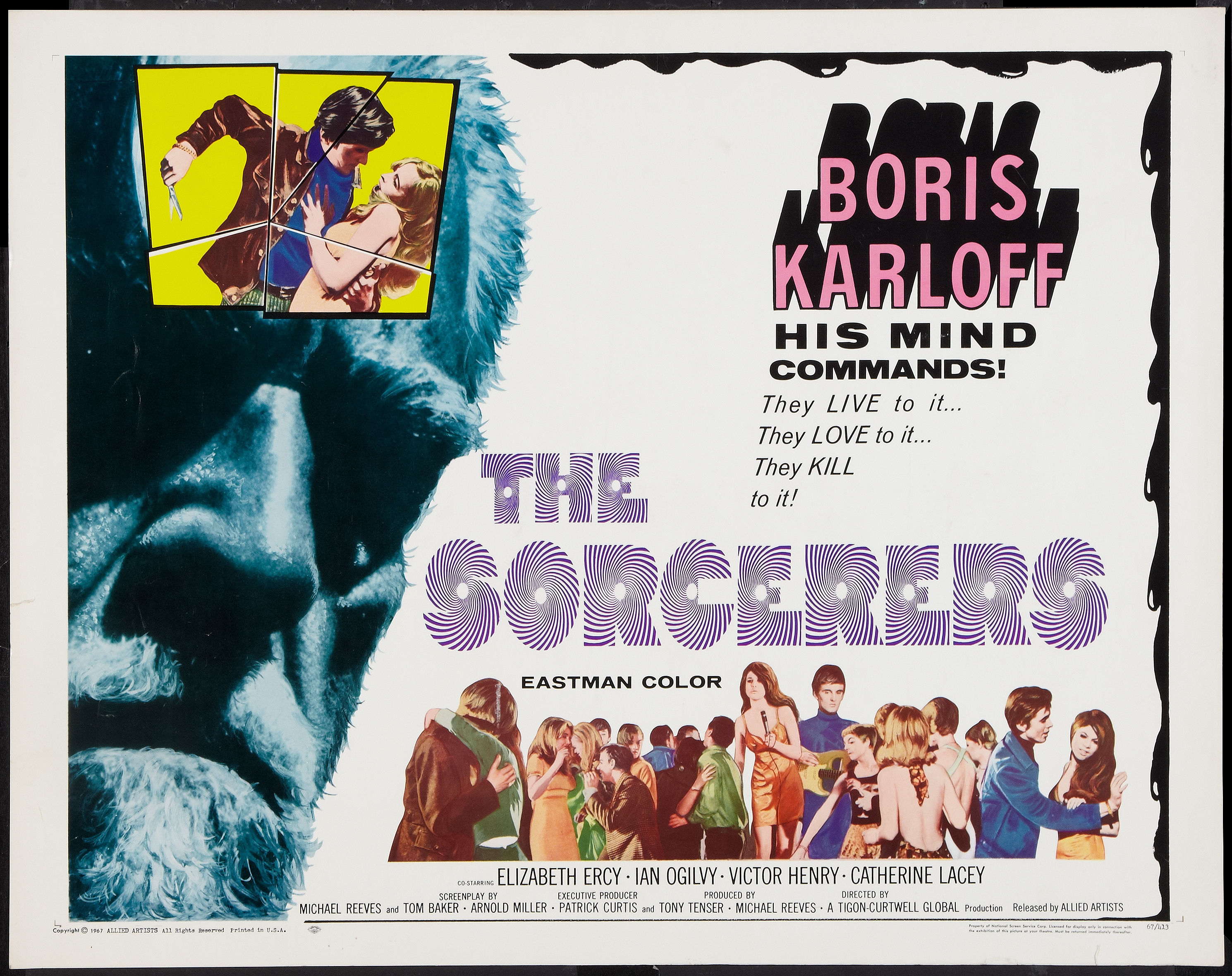
Most readers of More Than a Monster, however, will likely be most interested in Boris’s career as a horror icon. He never resented being typecast as ‘Karloff the Uncanny’ – preferring to defend the genre as being Hollywood’s version of ‘Grimm’s Fairytales’ – in contrast to his more irascible contemporary Bela Lugosi, the ill-starred Hungarian actor who fought in vain against the popular perception of him as a Gothic villain. As a consequence, Karloff worked alongside almost every significant directorial legend in the horror genre: From his career-defining performances at Universal in the 30s under directors like James Whale, to a trio of movies for RKO producer and master of sinister suggestion Val Lewton in the 40s, via appearances in Poe pictures by AIP’s king of Gothic drive-in flicks Roger Corman, to a role in The Sorcerers, a 1966 film by the troubled British director Michael Reeves. It is perhaps a shame that his performance in Targets wasn’t his swansong (Karloff made a quartet of bargain basement Mexican shockers afterwards) as it would have been a fine note to go out on.
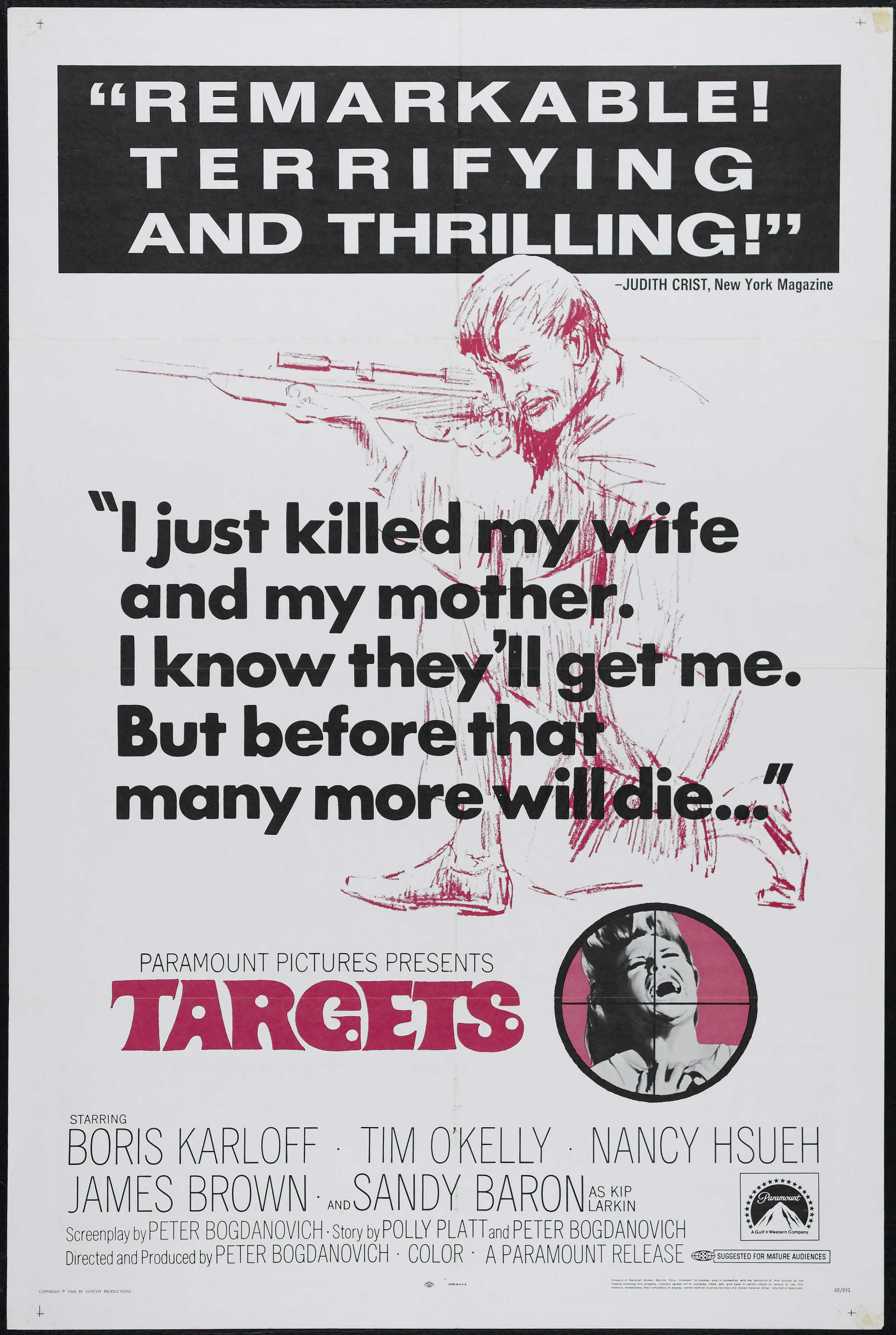
The 1968 film, directed by Peter Bogdanovich, stars Karloff as Byron Orlok, a disillusioned horror star in his twilight years, and clearly a role with autobiographical overtones. In Targets, Orlok faces off against a young Vietnam vet (inspired by the spree killer Charles Whitman) who begins shooting innocent passersby, representative of a new, nihilistic form of terror in contrast to the gentle Gothic horror embodied by the old man. While Bogdanovich insisted that Boris was far from embittered, Karloff had expressed some reservations about the direction of the horror genre some years before. In 1959, he dismissed contemporary horror pictures as ‘cheap, tawdry and disgusting’. The timing is interesting, as he was likely referring to the success of Hammer studios, then enjoying international success, shocking the horror market back into life with The Curse of Frankenstein just two years earlier. Boris worked with Christopher Lee – who like Karloff achieved success playing the Frankenstein Monster – on Corridors of Blood in 1958. Lee recalls that, despite Boris being his usual generous and genial self on-set, discussion of their obvious connection was conspicuous by its absence…
Stephen Jacobs makes nothing of this in More than a Monster, and again, you do occasionally wish he was a little more analytical – passed the occasional comment on the material he evidently knows so well – rather than relying so heavily on quotes from other sources. But the quotes are often pure gold, as Jacobs unearths a rich seam of often amusing, occasionally poignant anecdotes featuring an irresistible cast, ranging from Lugosi and Lee, to the likes of Peter Lorre, Basil Rathbone and Vincent Price. Karloff offers little material for the biographical muckraker, but is a joy for the sympathetic biographer, and casual readers may even find the endless repetition of what a true gentleman Boris was in contrast to the roles he played slightly wearing. Yet for devotees of this inimitable performer and inspirational individual, Stephen Jacobs’ book represents an essential purchase. While falling just a whisker short of a masterpiece, it’s still a highly impressive achievement that belongs on the shelf of every aficionado of golden age Hollywood Gothic.
Last Wednesday, I was whisked away to the local BBC studio and asked to comment on a recent news story regarding the black metal legend Euronymous and a Norwegian airline. For anyone who missed the news programme in question and would like to hear it, some kind soul has uploaded my brief interview, and you can hear it here… World Service Interview.
Last weekend, after a jar or three in the pub, we decided to watch a late movie at home. So I started sorting through the stack of potential selections by the DVD player. I could have been looking for a particular actor or director we admired, or perhaps a plot or genre that fitted with the mood we were in. But, I confess, I was reading out running times. The guilty truth is that the determining factor for the evening’s entertainment was length (not a sentence I thought I’d ever type). Anything brushing – or worse still exceeding – the two-hour mark just seemed too much of an intimidating investment of time somehow unless a guaranteed classic was on offer.
This isn’t a new phenomenon in the Baddeley household. We’ve been known to decide cinema visits based upon run-time: the shorter the better. This is, at least in part, a consequence of bitter experience. I go to a lot of film festivals, and almost without fail the main criticism that can be levelled at movies by fledgling directors is an excess of self-indulgent celluloid flab. By drawing a film out for fifteen minutes (or more) beyond it’s natural lifespan, far too many novice filmmakers alienate audiences who were with the production for the first hour-and-a-half. Once the paying public start to check their watches or – worse still – begin to resent the movie for eating into their drinking time, you’ve lost them.
Leaving them wanting more is a lesson also wasted on many seasoned directors who really should know better, but have become too successful to have to listen to producers or editors any more. During the 80s I remember being very excited at the prospect of a TV screening of an extended ‘director’s cut’ of George Romero’s zombie masterpiece Dawn of the Dead on the BBC. I expected a full-blooded version with some of the visceral undead action previously brutally excised by the British censors. What I got was what felt like an extra hour of dull expositional dialogue, slowing the tempo of the film to the ponderous pace of Romero’s trademark walking dead. It was at least an early reminder that – despite the ubiquity of auteur theory – that films are collaborative efforts, and that the director doesn’t always know best (something, sad to say, which George has been illustrating on a regular basis in recent years).
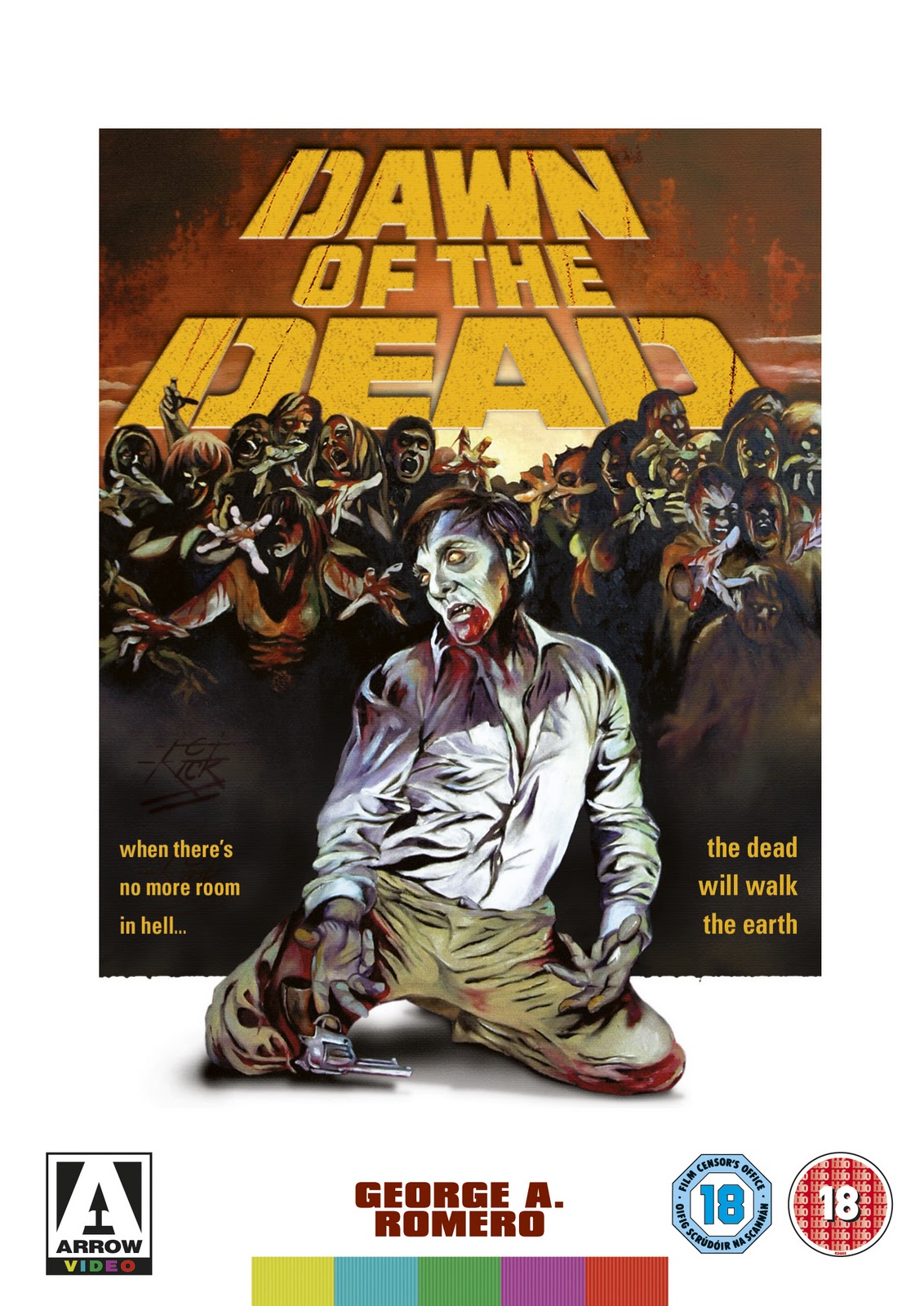
Having said which, there’s a healthy market of fans hungry for ‘director’s cuts’; cineastes who’d no doubt be less than impressed by my disdain for an auteur’s personal vision. The recent Arrow release of Dawn of the Dead features no less than three cuts of the flick, though I don’t think any of them are the version that so disappointed me some 25 years back. Maybe it was just my callow youth that made me crave gore over characterisation, an example of the irritating absence of attention span I now find so exasperating in others. Certainly my habit of scanning potential entertainment for length (if you will once again forgive the expression) is nothing new and not confined to cinema. As a child I was also a fervent fan of horror fiction, and – though I ploughed through the hefty Gothic classics like Frankenstein – I particularly enjoyed anthologies of short stories like the legendary Pan Books of Horror.
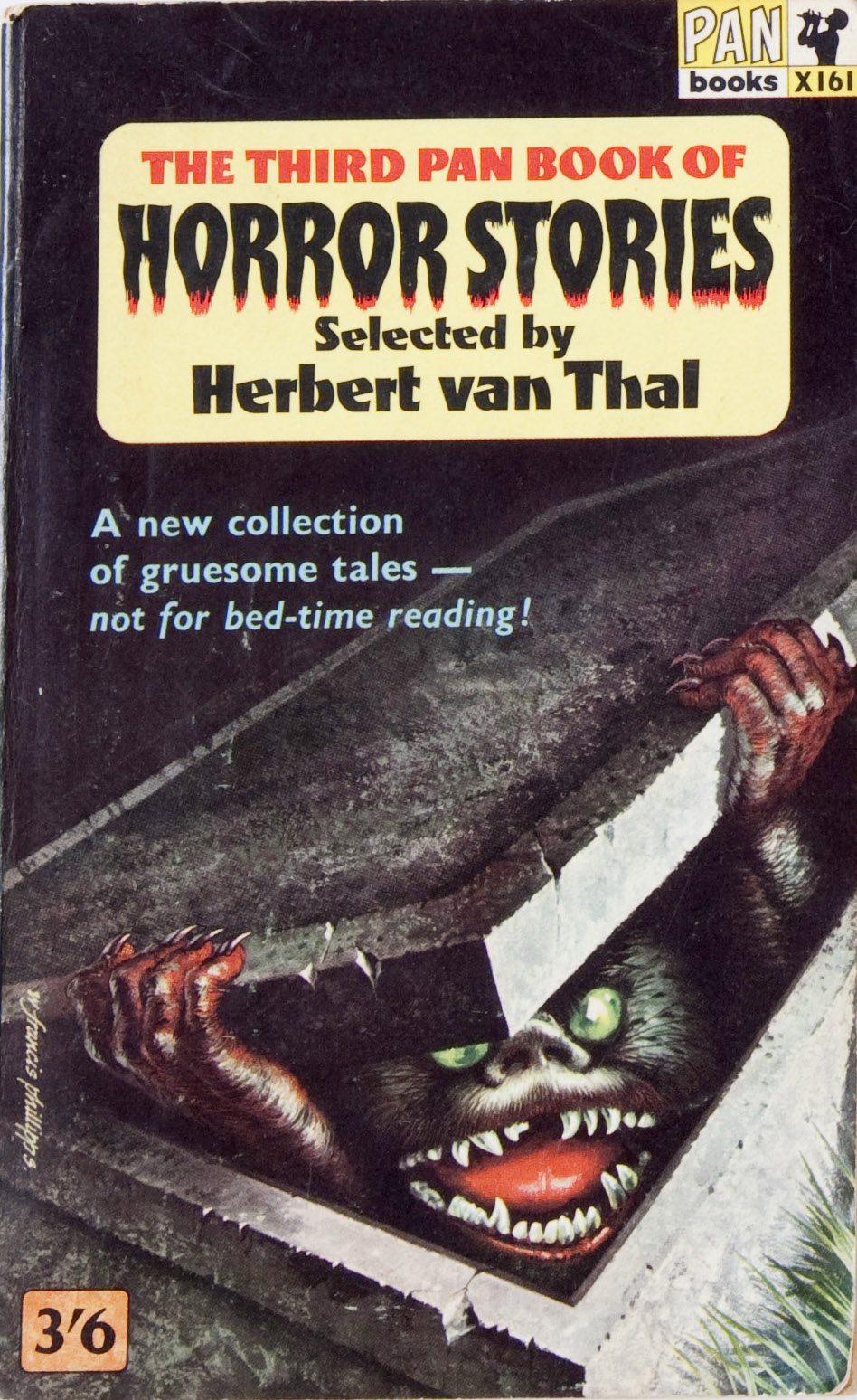
After the pleasure of locating a copy in a local flea market or bookstall, the reading process would begin with checking out the relevant page-counts, selecting the shortest stories first. You might describe it as a process of dipping my metaphorical toe in the water. It might equally be described as an example of literary laziness. In my defence I can only offer that I still think a shorter format suits the horror genre well. The short film programmes are often my favourite parts of horror movie festivals. Similarly, the short story is often a superior platform for maintaining atmosphere and delivering a short, sharp sting in the tail at the end. I know this isn’t a universally held belief, as the shelves in bookshops attest. The horror section usually groans under numerous bloated monsters, while it is generally agreed among publishers and agents that short story anthologies seldom make much money. The logic among fans isn’t too hard to fathom – if you’re enjoying a book, then you want it to continue as long as possible – a hungry, cheerily undiscerning readership that’s encouraged a flood of ‘quantity over quality’ hacks into the horror genre.
Yet there are exceptions that prove the rule. I can still remember when Clive Barker’s Books of Blood first appeared on the shelves in the mid-80s. The covers were eye-catching and the content a revelation, though at the time I didn’t realise how radical these collections were commercially, going against conventional publishing wisdom that short story anthologies – especially from a new unknown author – were a waste of shelfspace in business terms. To my mind, Barker’s never really bettered the fervid brilliance of his literary launch into the horror firmament. His pagination started to grow, and the midnight brilliance of his creations was diluted, meandering whimsy threatening to replace penetrating nightmare. In common with many young horror fans, I stopped buying his books after Weaveworld, a novel that was too C.S. Lewis for my carnivorous tastes. It was also far, far too long…
Older, if not wiser, I recently resolved to revisit Clive Barker. I’m perhaps a bit more forgiving than my younger self, while in the 21st century, the author has given the impression of returning to a more visceral, transgressive tone – a gesture of conciliation, perhaps, towards the horror fans who had first established his name? In particular, his 2001 novel Coldheart Canyon was promoted as a return to fearsome form, a ‘Hollywood ghost story’ replete with the blend of splatter and taboo sexuality that thrust Barker to the forefront of the horror scene over three decades back. So I picked up a copy. In all honesty I felt vindicated. Not that it’s a bad book – I suspect someone of Mr Barker’s fierce talent is effectively incapable of generating bad art. Rather it was badly flawed. Not least, it was far, far too long.
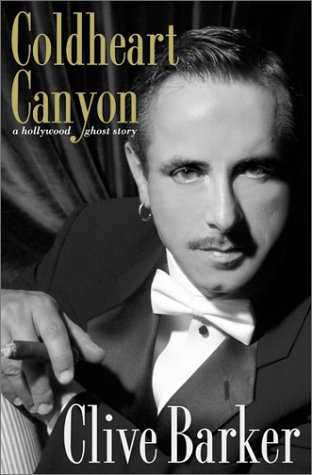
To be more precise it rambles shamelessly. Coldheart Canyon reads like four or five good short stories that became involved in a horrible collision from which none of them emerged unscathed. At least as damagingly, the length put an untenable strain on suspension of disbelief. In his Books of Blood, Barker’s strength lies in his vitality of imagination – springing one inventively decadent image of sex or death at you after another in quick succession. When this imagery becomes familiar – even repetitive – you have a process of diminishing returns that drifts into mundanity before sailing perilously close to comedy. I suspect that Barker is now so successful that few editors would have the front to suggest he cut back some of the excess of prose, which ultimately does no favours to Clive or his readership. But that’s just my opinion, and the large number of hefty volumes still occupying the horror shelves suggests that many disagree.
I’m also wide open to charges of hypocrisy here. I was less than impressed to hear that one of my own upcoming books has been trimmed of several thousand words, while The Gospel of Filth is a tree-bothering behemoth well in excess of 500 words. Meanwhile the organisers of the Abertoir horror festival have suggested I extend my talk this year beyond my usual hour-long address, a time limit I’ve always previously adhered to for fear of exhausting the patience of my long-suffering audiences. (A law I instituted after a regrettable incident involving a ninja, some cocaine and a Victorian mausoleum in the Egyptian style – a tale best kept for another time.) All of which rather begs where I’m going with this meandering narrative. That all art has a natural length that the creator exceeds at their peril? Perhaps. Though I would observe that this particular piece does seem to have gone on for a rather long time…
This is where I’ll publishing occasional rants and musings on everything from politics and film, to heavy metal and the current price of decent pastrami. I daresay I’ll end up writing a few things in here that I’ll later regret. Hell, I’ll no doubt be coming up with a few gems everybody will regret! But I will at least endeavour to keep things interesting. Watch this space…